Practice note
Soaking and Cooking Lentils, Beans and Millets
Grains and legumes are the backbone of plant-forward cooking. A little know-how about rinsing, soaking and cooking times makes them reliable, tender and easy to fit into a busy week.
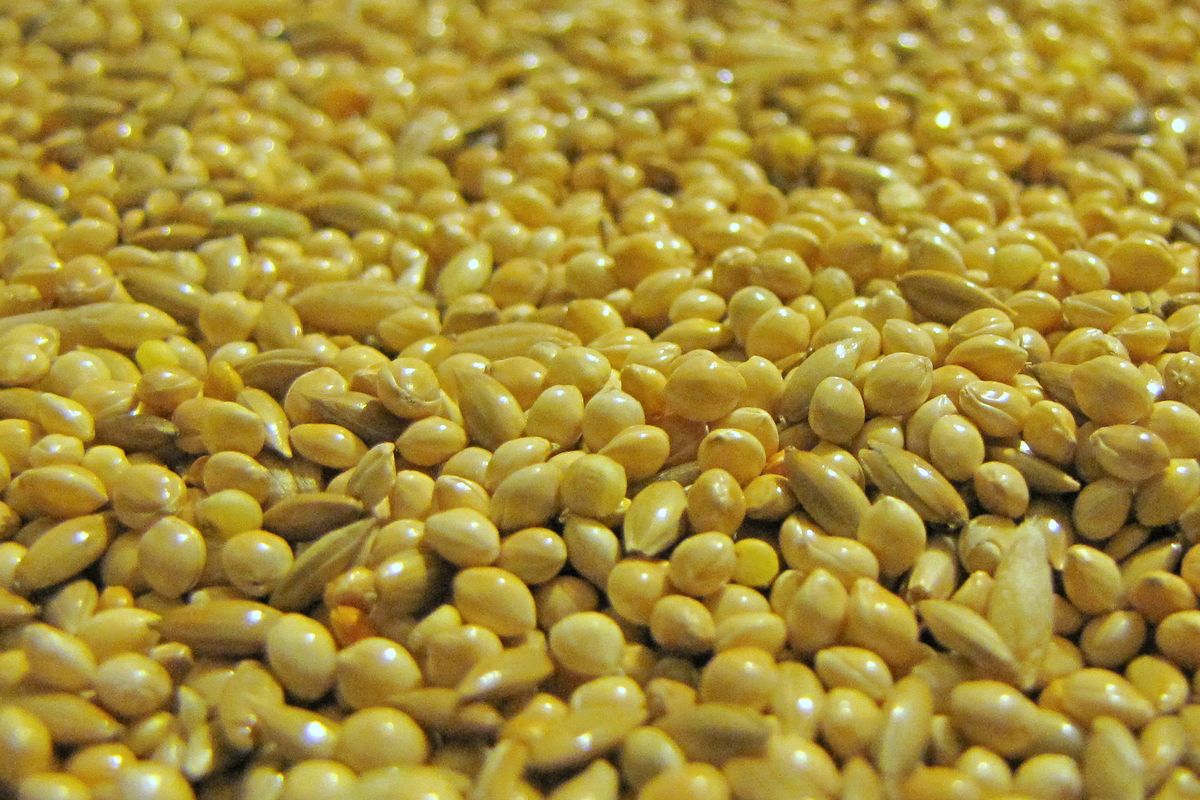
Photo via Wikimedia Commons (Public domain).
Always pick over and rinse
Dried dals, beans and millets can occasionally contain small stones or husks. Spread them on a plate and look them over before cooking. Then rinse in several changes of water, rubbing gently with your fingers, until the water runs mostly clear. Rinsing removes dust and excess surface starch, which helps reduce foaming during cooking.
Why soak?
Soaking hydrates legumes and grains so they cook faster and more evenly. Many cooks also find soaked legumes easier to enjoy. Split dals need only a short soak, if any; whole beans benefit from several hours or overnight. Drain and use fresh water for cooking.
Quick reference: soaking and stovetop times
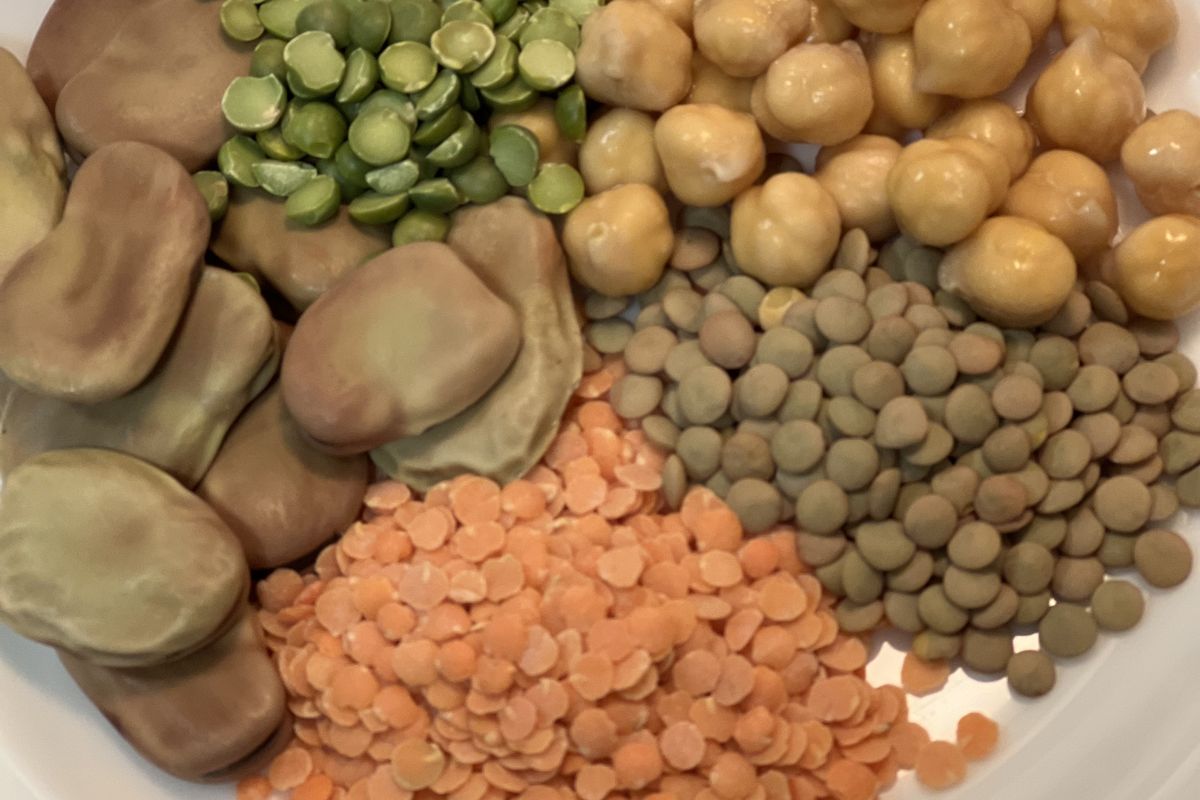
- Split yellow mung lentils: soak 15 to 30 minutes; simmer 20 to 25 minutes
- Red lentils (masoor): no soak needed; simmer 15 to 20 minutes
- Split chickpeas: soak 1 to 4 hours; simmer 35 to 45 minutes
- Whole green mung beans: soak 2 to 6 hours; simmer 35 to 45 minutes
- Chickpeas: soak 8 to 12 hours; simmer 45 to 90 minutes
- Foxtail or proso millet: soak optional; simmer 15 to 20 minutes in 2 1/2 parts water
- Cracked wheat (broken wheat): no soak; simmer 15 to 20 minutes in 4 parts water
- Quinoa: rinse well; simmer 15 minutes in 1 3/4 parts water
These times are a guide. Age and variety make a big difference; older legumes can take much longer. Always taste.
Pressure cooking
A stovetop or electric pressure cooker saves a great deal of time with dal and beans. As a starting point, soaked chickpeas take about 15 to 20 minutes at high pressure, mung lentils about 6 to 8 minutes, and split chickpeas about 10 to 12 minutes. Follow the manufacturer's instructions for your cooker, never overfill it, and let the pressure release naturally for legumes, which tend to foam.
Season at the right time
Add salt once legumes are partly cooked, or at the end. Acidic ingredients like tomato, tamarind and lemon can slow softening, so add them after the dal or beans are tender.
Cook once, eat twice
Cooked dal, beans and millets keep in the fridge for 3 to 4 days and freeze well for 2 to 3 months. A container of cooked chickpeas becomes a warm chickpea salad in ten minutes, and leftover millet turns into a quick porridge. Batch cooking on a quiet afternoon makes the rest of the week much calmer.
This note shares general cooking and lifestyle ideas only. It is not medical, nutritional or yoga-therapy advice. Please consult a qualified professional about your own health, diet or practice.